Enhance Your Backyard Area: Experienced Landscape Design Support
Transforming outdoor spaces is a difficult endeavor. Many deal with hurdles including poor soil, limited sunlight, or unclear vision for their landscape. Expert landscape designers offer tailored solutions that address these issues. They bring a wealth of knowledge about local flora and green practices. Their proficiency can make a significant difference. What are the key benefits of retaining expert designers, and how can they elevate your landscape enjoyment? The answers may surprise you.
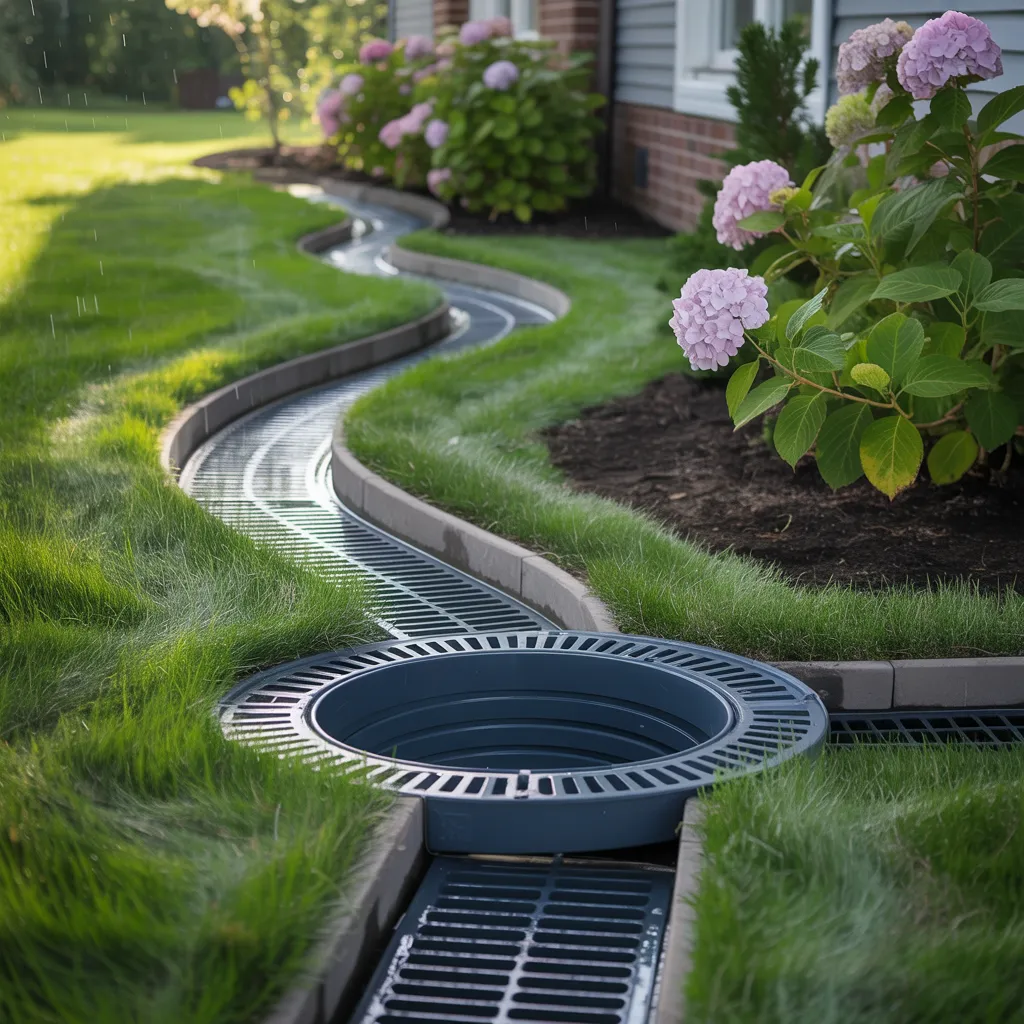
Prevalent Landscape Design Setbacks
When beginning landscape design, many face obstacles that can hinder the undertaking. One prevalent issue is inadequate preparation, which can lead to disconnected vision and execution. Homeowners often struggle to balance aesthetics with practicality, creating spaces that may look appealing but neglect to serve their intended function. Additionally, understanding the regional climate and soil conditions can pose challenges; unsuitable plant selections may lead to stunted development or maintenance issues.
Budgetary limitations also represent a substantial hurdle, as many underestimate the costs involved in materials and labor. Time management becomes critical, with postponements in project timelines frequently arising from unexpected challenges. Ultimately, maneuvering through zoning regulations and laws can add another level of intricacy, often necessitating permits or compliance with particular standards. These barriers can discourage people, underscoring the importance of a carefully see more planned strategy to landscape design.
Why Retain Qualified Landscape Designers?
Dealing with the complexities of garden design can often burden even the most keen homeowners. Varied elements, such as plant choices, landscape contours, and irrigation systems, must be harmonized to construct a cohesive outdoor space. Expert design professionals retain the schooling and experience crucial to work through these nuances effectively. They understand the local climate, ground characteristics, and native vegetation, verifying the designs are both durable and visually stunning.
In addition, professionals contribute a rich collection of imaginative suggestions and innovative solutions that satisfy personal choices and everyday requirements. They can conceptualize the potential of a space, transforming commonplace landscapes into remarkable outdoor designs. Partnering with contractors and observance of municipal standards are important elements where their skill becomes crucial. At the end of the day, hiring an expert landscape designer alleviates the challenge of trial and error, facilitating homeowners to enjoy a beautifully curated garden space tailored to their distinct perspective.
Primary Benefits of Employing Professional Landscape Designers
Retaining professional design professionals offers many benefits that can transform any outdoor space. First, their expertise guarantees that concepts are not only visually appealing but also functional, taking into account elements including drainage, sunlight, and plant compatibility. This knowledge helps avoid expensive errors that can result from DIY efforts.
Furthermore, skilled design practitioners furnish links to assets and expertise, including quality materials and skilled labor, which can strengthen the total standard of the project. They can also offer tailored solutions that express unique tastes while maintaining compliance with local regulations and environmental considerations.
In addition, the teamwork with a designer enables homeowners to articulate their vision effectively, resulting in a cohesive and harmonious landscape. This partnership often generates innovative ideas that homeowners might not have considered, maximizing the potential of the exterior space. Ultimately, engaging a professional landscape designer transforms an ordinary space into an beautifully curated environment.
Imaginative Vision for Your Outdoor Environment
Changing an outdoor space into a vibrant retreat can be achieved through a variety of creative ideas that cater to personal tastes and operational needs. Incorporating multiple plant species can add texture and color, while vertical gardens maximize space and create a stunning visual impact. Outdoor seating areas can be enhanced with cushioned furniture, apt for relaxation or entertaining guests.
Water features, such as fountains or small ponds, offer serene audio and invite wildlife, amplifying the overall atmosphere. Deploying outdoor lighting strategically can illuminate key elements and increase usability into the evening.
Using walkways made with natural stone or recycled materials can direct guests through the outdoor space, creating an inviting ambiance. Additionally, practical features like elevated planting beds or exterior cooking areas can improve both visual appeal and utility, guaranteeing the space is not only beautiful but also adaptable for different activities.
Strategies for Upkeeping Your Exterior Design
Effective upkeep is essential for maintaining the beauty and functionality of any outdoor space. Consistently assessing plants for vitality is imperative; damaged or unhealthy foliage should be quickly eliminated to prevent further propagation. In addition, proper watering methods, customized for the needs of specific plants, can greatly enhance development and vigor.
Mulching suppresses weeds while preserving soil moisture, rendering it a beneficial practice. Seasonal pruning encourages healthy growth and preserves desired shapes. Moreover, periodic fertilization provides important nutrients, ensuring that plants flourish throughout the year.
Landscape elements such as walkways and terraces should be copyrightined for damage. Regular cleaning and fixes can prevent decline and improve visual appeal. Finally, monitoring insects and applying suitable treatments can protect the landscape's condition. By following these recommendations, property owners can ensure their exterior areas remain inviting and well-maintained for years to come.

Often Asked Queries
How long Does a Typical Landscape Design Project Take?
A basic landscaping project usually lasts between two to eight weeks, depending on the design's complexity, environmental conditions, and the availability of materials and labor, securing a thorough planning and execution process.
What Represents the Standard Price of Professional Landscape Design Services?
The typical cost for professional landscape design services usually falls from $2,000 to $7,000, contingent on project size, complexity, and location. Factors including materials and labor can greatly affect the ultimate cost.
Are Landscape Designers Governed Licensed or Certified Professionals?
Landscape designers are not typically obligated to be licensed or certified; however, many decide to pursue degrees or certifications in landscape architecture, which can boost their professional standing and knowledge in the field.
Is it possible to include present Plants Into the New Design?
Yes, current vegetation can be incorporated into a new plan. Skilled landscape designers often evaluate current vegetation to improve aesthetics and functionality, guaranteeing that established plants enhance the overall vision of the outdoor space.
What Criteria Should I Look for in a Landscape Design Portfolio?
When reviewing a landscape design portfolio, one should look for creativity, diverse stylistic approaches, effective plant incorporation, attention to detail, clear project documentation, and testimonials from previous clients to assess overall satisfaction and effectiveness.